
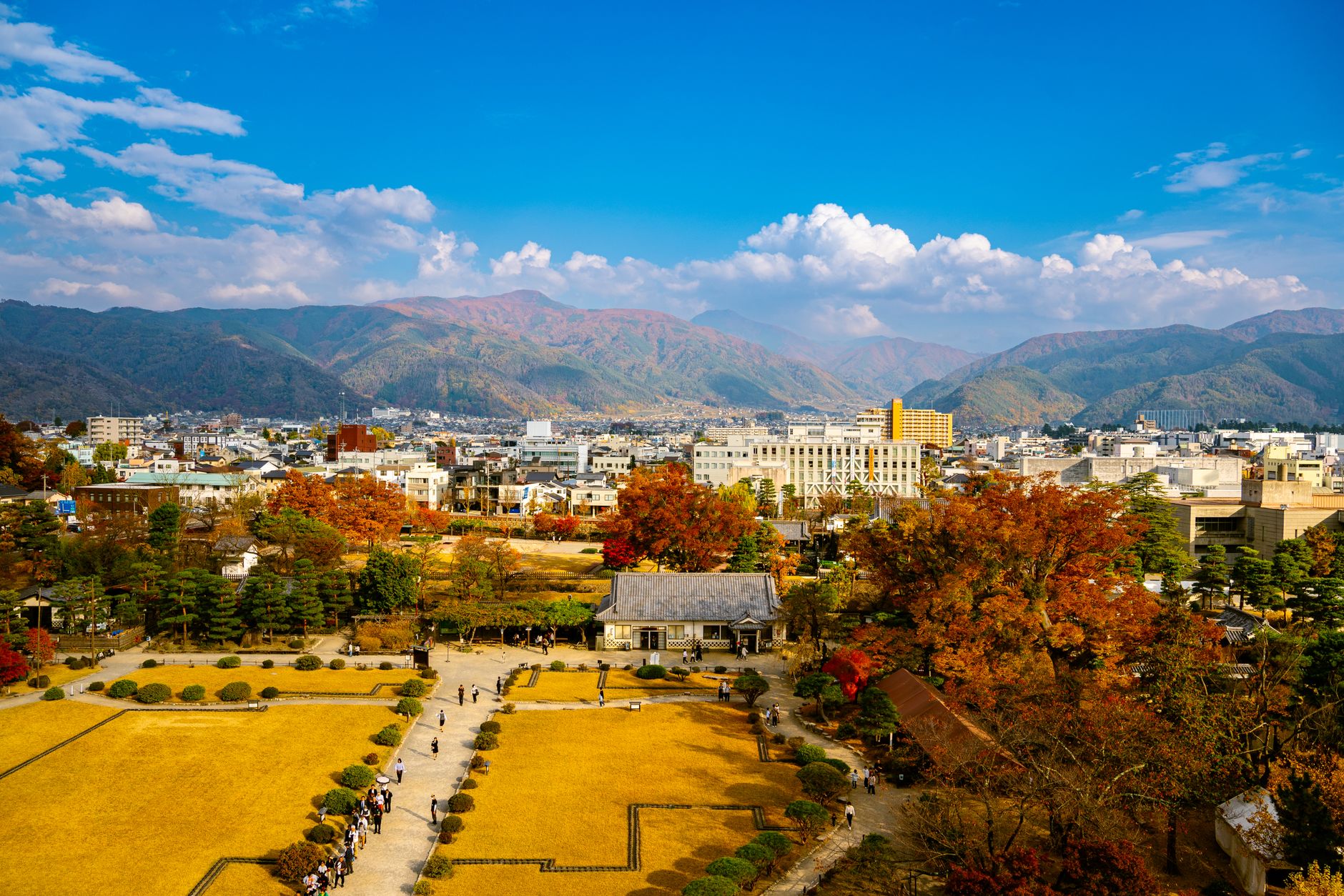
Kansai land prices are continuing to rise in urban areas, reflecting a growing demand for real estate in this region. This trend has significant implications for investors and homeowners alike.
Current Trends in Kansai Land Prices
Current trends in Kansai land prices indicate a steady rise in urban areas, reflecting a growing demand for real estate. This increase is attributed to several factors that are shaping the market landscape.
- Population Growth: Major cities in the Kansai region, such as Osaka and Kyoto, are experiencing an influx of residents, which drives up the demand for housing and commercial spaces.
- Economic Development: Ongoing investments in infrastructure and business development are enhancing the attractiveness of urban areas, further contributing to rising land prices.
- Tourism Boost: The resurgence of tourism post-pandemic has led to increased interest in property investments, particularly in areas known for their historical and cultural significance.
- Limited Supply: With geographical constraints and zoning regulations, the supply of available land remains limited, putting upward pressure on prices.
As a result, potential buyers and investors are advised to conduct thorough research to navigate the evolving landscape of Kansai land prices, ensuring informed decision-making in this competitive market.
Factors Driving Urban Price Increases
The recent surge in Kansai land prices has been influenced by several key factors that are reshaping urban areas across the region. Understanding these elements is crucial for potential investors and residents alike.
- Population Growth: Urban centers in Kansai have seen an influx of residents, driven by job opportunities and lifestyle benefits. This increase in population places a higher demand on available land, pushing prices upwards.
- Infrastructure Development: Significant investments in transportation and public facilities have made urban areas more accessible. Improved connectivity enhances the appeal of these regions, further driving up land prices.
- Economic Revitalization: Government initiatives aimed at revitalizing local economies have attracted businesses and startups, leading to increased commercial demand for land. This economic growth is a vital contributor to rising Kansai land prices.
- Foreign Investment: A growing interest from foreign investors in Kansai properties has intensified competition in the market, leading to higher prices in key urban locations.
These factors combined illustrate a dynamic landscape where urban land prices are not only reflecting current trends but also shaping the future of Kansai’s urban environments.
Impact of Rising Prices on Homebuyers
The rising Kansai land prices have created a challenging environment for homebuyers in urban areas. Many potential buyers are feeling the pressure as property values continue to soar, making it increasingly difficult to enter the market.
Several key impacts are being observed:
- Affordability Issues: With the cost of land escalating, many families are forced to reconsider their budgets and may need to compromise on their desired location or property type.
- Increased Competition: As more buyers flock to urban areas, competition for available properties intensifies, leading to bidding wars and further driving prices up.
- Shift in Buyer Preferences: Some homebuyers are now looking at suburban or rural areas, seeking more affordable options as they adjust to the reality of rising Kansai land prices.
- Impact on Future Investments: Investors are also re-evaluating their strategies, as the increased prices can affect potential returns on investment.
In summary, the implications of rising land prices in Kansai are significant, affecting both individual homebuyers and the broader housing market.
Future Predictions for Kansai Real Estate
As Kansai land prices continue to rise, experts predict several trends that may shape the future of real estate in urban areas. One notable forecast is the increasing demand for housing close to employment centers, as more people prioritize convenience and accessibility.
Additionally, urban redevelopment projects are expected to enhance the appeal of certain neighborhoods, leading to further price appreciation. These projects often focus on improving infrastructure and public spaces, making them more attractive to potential buyers.
Another trend is the rising interest in sustainable living. Many buyers are now seeking eco-friendly homes and developments that prioritize green spaces. This shift could play a significant role in influencing future Kansai land prices, as properties that offer sustainable features may command premium prices.
Furthermore, with the potential for foreign investment in the region, there could be a notable impact on demand and pricing dynamics. Investors looking to capitalize on the growing economy might drive prices even higher.
Overall, the future of Kansai land prices appears to be influenced by a combination of demographic shifts, urban development, and sustainability trends, making it a dynamic market for real estate investors.
Photo by Maheshwaran Shanmugam on Pexels
Read the original
Related reading
TCL AI home products: Best Smart Launches for Investors · Movies under the stars: Enjoy a Proven Bali Experience · AI Smart Home Hubs: The Best Proven Solutions for You