
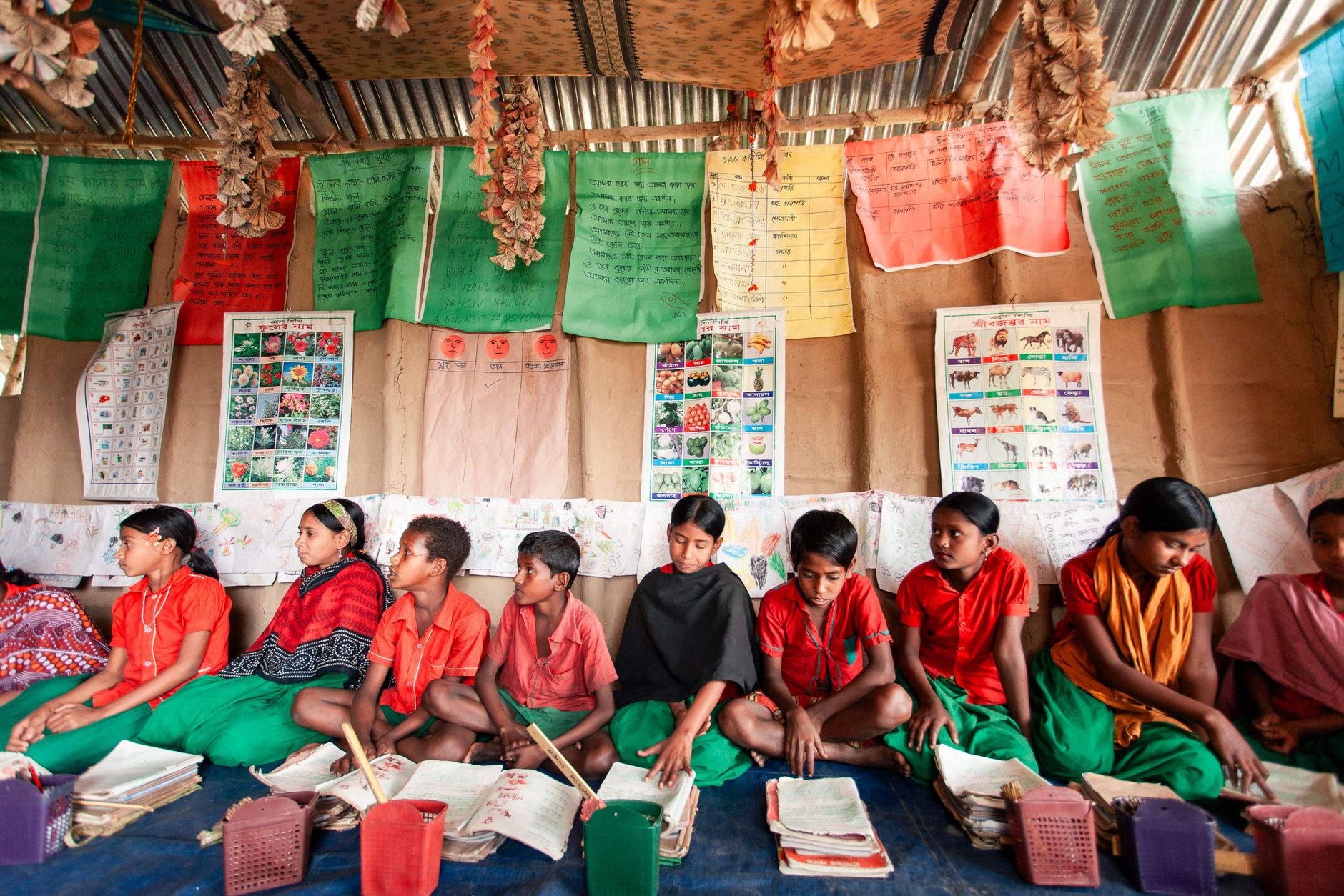
tribal development projects are set to transform communities across India. With PM Modi launching 246 initiatives worth Rs 3,000 crore, the impact is anticipated to be significant.
Overview of Tribal Development Projects
Tribal development projects are initiatives designed to improve the living standards and economic conditions of tribal communities across India. These projects aim to address various challenges faced by tribal populations, including poverty, lack of education, and inadequate healthcare facilities.
Recently, Prime Minister Modi announced the launch of 246 tribal development projects worth Rs 3,000 crore on Janjatiya Gaurav Diwas, highlighting the government’s commitment to uplifting tribal communities. The focus of these projects includes:
- Education: Establishing schools and vocational training centers to enhance educational opportunities for tribal youth.
- Healthcare: Improving access to healthcare services through the establishment of health centers and mobile health units.
- Infrastructure: Developing roads, sanitation facilities, and housing to enhance the quality of life in tribal areas.
- Agriculture: Implementing sustainable agricultural practices and providing support for farmers to increase productivity and income.
- Employment: Creating job opportunities through skill development and promoting entrepreneurship among tribal communities.
These initiatives are essential for fostering inclusive growth and ensuring that tribal populations benefit from national development efforts. By investing in tribal development projects, the government aims to empower these communities and integrate them into the broader socio-economic landscape of the country.
Importance of Community Investment
Community investment plays a crucial role in the success of tribal development projects. These initiatives not only aim to uplift the economic conditions of tribal populations but also foster a sense of ownership and empowerment among community members. When resources are invested locally, the benefits can transcend economic growth and lead to enhanced social cohesion.
One of the most significant aspects of community investment is the creation of jobs and sustainable livelihoods. By focusing on local talents and resources, tribal development projects provide individuals with opportunities to participate in various sectors, including agriculture, crafts, and tourism. This approach ensures that the financial benefits remain within the community, contributing to a cycle of reinvestment.
Additionally, community involvement in these projects encourages the preservation of cultural heritage. As local artisans and craftsmen engage in traditional practices, they not only maintain their cultural identity but also create marketable products that celebrate their heritage. This dual benefit enhances both economic opportunities and cultural pride.
Furthermore, the collaborative nature of community investment helps build trust between government agencies and tribal populations. When communities are actively involved in decision-making processes, they feel valued and are more likely to support and sustain development initiatives. Ultimately, the importance of community investment in tribal development projects cannot be overstated, as it lays the foundation for long-term growth and resilience.
Economic Impact of PM Modi’s Initiatives
The economic impact of Prime Minister Modi’s initiatives, particularly regarding tribal development projects, has been a focal point in recent discussions. The launch of 246 tribal development projects, valued at Rs 3,000 crore, signifies a substantial investment aimed at uplifting tribal communities across India.
These projects are designed to address several critical areas:
- Infrastructure Development: The construction of roads, schools, and healthcare facilities aims to enhance accessibility and improve the quality of life for tribal populations.
- Skill Development: Initiatives focusing on vocational training empower tribal youth, providing them with opportunities for employment and entrepreneurship.
- Agricultural Support: Investment in sustainable farming practices and irrigation systems helps boost agricultural productivity, ensuring food security and increased income for tribal families.
- Social Welfare Programs: Financial aid and support programs are crucial for improving health and educational outcomes for marginalized communities.
Moreover, these tribal development projects not only foster economic growth but also promote cultural preservation and community cohesion. By investing in the welfare of tribal populations, the government aims to bridge the economic gap and ensure equitable development throughout the nation.
Overall, the proven benefits of these initiatives indicate that such investments are essential for the holistic development of tribal regions.
How These Projects Benefit Local Tribes
Tribal development projects play a crucial role in enhancing the quality of life for indigenous communities. These initiatives often focus on several key areas that yield significant benefits for local tribes.
- Improved Infrastructure: Many tribal development projects prioritize the construction of roads, schools, and healthcare facilities. This infrastructure improvement facilitates better access to essential services and opportunities for education and employment.
- Economic Empowerment: By promoting entrepreneurship and skill development, these projects empower local tribes to become economically self-sufficient. This is particularly important in regions where traditional livelihoods may no longer be sustainable.
- Preservation of Culture: Tribal development projects also focus on preserving and promoting indigenous cultures. By supporting traditional arts, crafts, and practices, these initiatives help maintain the unique cultural heritage of tribal communities.
- Health and Nutrition: Many projects include health campaigns aimed at improving nutrition and healthcare access. This focus on health leads to better overall well-being and reduces mortality rates among tribal populations.
- Social Inclusion: These initiatives often aim to empower marginalized groups within tribes, ensuring that women and youth have a voice in decision-making processes and benefit from the projects.
In conclusion, the proven benefits of tribal development projects underscore their value as a worthy investment for the future of these communities.
Future of Tribal Development in India
The future of tribal development in India looks promising, particularly with the recent commitment to enhance initiatives aimed at uplifting tribal communities. As highlighted by Prime Minister Modi’s announcement of 246 tribal development projects worth Rs 3,000 crore, there is a clear recognition of the need to invest in these marginalized groups.
These tribal development projects are not just financial allocations; they represent a comprehensive strategy to empower communities by improving their access to resources, education, and healthcare. The focus on sustainability and self-sufficiency in these projects aims to ensure that tribal communities can thrive independently while preserving their unique cultural identities.
Key areas of development include:
- Infrastructure: Building roads, schools, and healthcare facilities to enhance connectivity and access.
- Skill Development: Providing training programs to enable tribal youth to acquire skills that meet market demands.
- Women Empowerment: Initiatives aimed at improving the socio-economic status of women in tribal areas.
- Environmental Conservation: Promoting sustainable practices that align with traditional ecological knowledge.
As these projects unfold, it is essential for stakeholders to monitor their impact on local tribes and ensure that investments translate into tangible benefits, paving the way for a brighter future for tribal communities across India.
Success Stories from Previous Projects
In recent years, several tribal development projects have showcased significant success, demonstrating their potential for transforming communities. These initiatives not only empower local tribes but also promote sustainable development and cultural preservation.
One notable success story is the implementation of a tribal livelihood program in Madhya Pradesh, which resulted in a 40% increase in household incomes for participating families. By introducing skill development workshops and providing access to markets, the project enabled tribal artisans to sell their crafts, boosting both their confidence and economic standing.
Another exemplary project is the establishment of solar energy solutions in remote tribal areas of Jharkhand. This initiative not only addressed energy scarcity but also created job opportunities in installation and maintenance, fostering a sense of ownership among the community members. As a result, more than 500 households now have access to reliable electricity, significantly improving their quality of life.
Additionally, educational initiatives targeting tribal children in Odisha have seen remarkable improvements in school attendance and academic performance. By integrating local culture into the curriculum and providing scholarships, these projects have encouraged greater participation from families, ensuring that the younger generation is equipped for a brighter future.
These success stories exemplify how tribal development projects can yield profound benefits, making them a worthy investment for both the government and the communities they serve.
Challenges in Implementing Development Initiatives
While tribal development projects hold the promise of transformative benefits, their implementation is fraught with challenges that can hinder progress and effectiveness. Understanding these obstacles is crucial for ensuring that investments lead to sustainable outcomes.
- Infrastructure Limitations: Many tribal regions lack basic infrastructure, such as roads, electricity, and communication networks, making it difficult to execute development initiatives effectively.
- Cultural Sensitivity: Projects often fail to consider the unique cultural practices and beliefs of tribal communities, leading to resistance or mistrust among the people they aim to help.
- Resource Allocation: Inadequate funding and misallocation of resources can derail even the most well-planned projects, resulting in incomplete initiatives that do not meet the community’s needs.
- Capacity Building: Insufficient training and capacity-building programs for local leaders can limit the effectiveness of tribal development projects, making it challenging for communities to manage and sustain initiatives independently.
- Political Interference: Political agendas can sometimes overshadow the genuine needs of tribal communities, leading to projects that are more about visibility than actual benefit.
Addressing these challenges is vital for maximizing the impact of tribal development projects and ensuring that the investments made genuinely uplift the communities they are intended to serve.
Photo by Ian Taylor on Pexels