
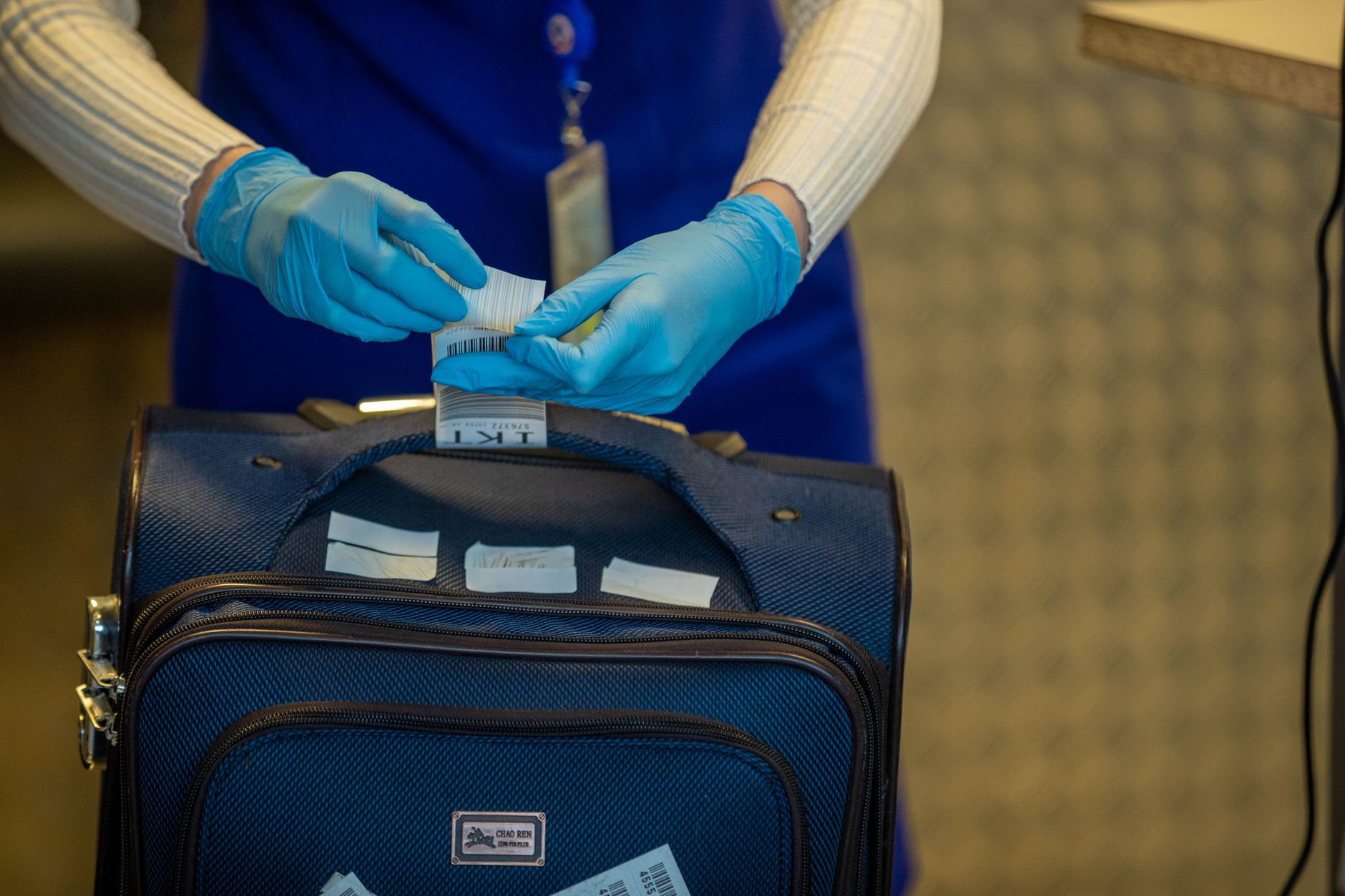
TSA airport security has just become easier for non-travelers. A new program launched by the TSA allows friends and family to accompany travelers beyond security checkpoints, enhancing the airport experience.
Overview of the New TSA Program
The Transportation Security Administration (TSA) has recently introduced a new program designed to facilitate airport security for non-travelers. This initiative aims to provide a smoother experience for individuals accompanying travelers to the airport, allowing them to access secure areas without a boarding pass. The program is a response to growing demands for increased access to airport facilities, particularly for those wishing to bid farewell or welcome loved ones.
Key features of the new TSA airport security program include:
- Pre-screening Process: Non-travelers must undergo a pre-screening process which includes submitting personal information and undergoing a background check.
- Time Limit: Approved non-travelers will be allowed into secure areas for a limited time, ensuring that the flow of traffic remains efficient.
- Designated Areas: Specific areas within the airport will be designated for non-travelers, providing a comfortable space to wait.
- Enhanced Security Measures: The TSA airport security protocols will still apply, ensuring that all individuals in secure areas are thoroughly vetted.
This program not only makes airports more accessible but also enhances the emotional experience of travel for many families and friends. As the TSA continues to adapt to evolving needs, this initiative reflects its commitment to maintaining security while improving passenger experiences.
Benefits for Non-Travelers
The new TSA airport security program brings several benefits for non-travelers who wish to accompany their loved ones through security checkpoints. This initiative aims to enhance the travel experience and make airport visits more accessible.
- Emotional Support: Allowing non-travelers to pass through security means family and friends can provide crucial emotional support, particularly for those embarking on long journeys or traveling for special occasions.
- Convenience: Non-travelers can assist in managing luggage and navigating the airport, making the travel process smoother and less stressful for passengers.
- Enhanced Safety: By having familiar faces around, travelers may feel safer and more secure, which can lead to a more pleasant flying experience.
- Increased Engagement: The new program encourages more interaction between travelers and their non-traveling companions, fostering a sense of connection and care before departure.
With the TSA airport security program, airports can now create a more inclusive environment. This change not only benefits the travelers but also allows non-travelers to share in the excitement of departures and arrivals. Overall, the program reflects a commitment to enhancing the airport experience for everyone involved.
How to Access the Program
The new program introduced by the TSA aims to streamline the airport security process for non-travelers, enabling them to accompany friends and family to the gate. To access the program, participants must follow a few simple steps:
- Advance Registration: Non-travelers need to register online at the TSA’s official website. This step ensures that they are pre-approved for access to the secure areas of the airport.
- Provide Identification: A valid government-issued photo ID is required during the registration process. This could be a driver’s license or a passport.
- Security Screening: Once registered, non-travelers must undergo the same security screening as passengers. This includes passing through metal detectors and having their belongings scanned.
- Time Restrictions: The program typically allows access only during specific hours, so participants should check the airport’s schedule before planning their visit.
- Accompanied Access: Non-travelers can only enter the secure area when accompanied by a ticketed passenger, ensuring that TSA airport security measures are upheld.
By following these guidelines, non-travelers can enjoy the opportunity to connect with their loved ones at the gate, all while maintaining the highest standards of security at airports.
Security Measures in Place
The Transportation Security Administration (TSA) has implemented several security measures to ensure the safety of all individuals entering airport terminals, particularly with the launch of its new program for non-travelers. These measures aim to streamline the process while maintaining a high level of security.
To facilitate the entry of non-travelers, the TSA has established a series of guidelines that must be adhered to. These include:
- Identification Verification: All non-travelers must present valid identification, such as a driver’s license or passport, to pass through security.
- Screening Procedures: Non-travelers will undergo standard screening, similar to travelers, which includes passing through metal detectors and having personal items scanned.
- Limited Access Areas: Non-travelers will only be allowed in designated areas of the terminal, ensuring that secure zones remain protected from unauthorized access.
- Compliance with TSA Regulations: It is essential for non-travelers to follow all TSA airport security regulations, including restrictions on prohibited items.
These measures not only enhance security but also provide a more welcoming environment for families and friends who wish to accompany passengers to the gate. The TSA continues to prioritize safety while adapting to the evolving needs of travelers and non-travelers alike.
Reactions from Travelers
Travelers have expressed a mix of excitement and concern regarding the new TSA airport security program designed for non-travelers. Many are eager to see loved ones off without the hassle of being separated at the security checkpoint.
“This program is a game changer,” said Sarah Johnson, a frequent flyer. “Being able to accompany my family to the gate means so much to us. It makes the whole travel experience feel more personal.”
However, not all feedback has been positive. Some travelers worry about the potential for increased congestion at security checkpoints. “I can see how this might slow things down,” remarked David Lee, a business traveler. “Security lines are already long, and adding more people could create a headache.”
Despite these concerns, many airport officials believe the benefits outweigh the drawbacks. They have assured the public that adequate measures will be in place to manage the flow of both travelers and non-travelers through TSA airport security.
“We are committed to maintaining safety and efficiency,” stated airport spokesperson Lisa Munoz. “Our team is prepared to adapt and ensure that everyone gets through security as smoothly as possible.”
As the program rolls out, it remains to be seen how it will affect the overall travel experience at airports nationwide.
Potential Challenges
While the new TSA airport security program offers significant advantages for non-travelers, there are potential challenges that could arise as it is implemented. One major concern is the increased foot traffic in airport terminals. With non-travelers allowed past security, airports may become congested, leading to longer wait times for both travelers and those accompanying them.
Another challenge is ensuring that non-travelers adhere to the same security measures as regular passengers. Although the TSA has outlined specific guidelines, the potential for non-compliance could pose risks. Training airport staff to effectively manage and monitor non-travelers will be crucial in maintaining a safe environment.
Additionally, there may be confusion surrounding the program’s eligibility criteria. Not all non-travelers may understand the requirements needed to access the secure area, which could result in frustration and delays at security checkpoints.
Finally, privacy concerns may arise, as non-travelers may inadvertently witness private interactions or sensitive situations involving travelers. Balancing the needs of both groups will be essential to the success of this new initiative.
As the TSA airport security program evolves, addressing these challenges will be vital to ensure a smooth and safe experience for all airport visitors.
Future of Airport Security Access
The future of airport security access is evolving with the introduction of the TSA’s new program aimed at allowing non-travelers to pass through security checkpoints. This initiative not only enhances the airport experience for friends and family members seeing off or welcoming travelers but also addresses the growing demand for more inclusive airport environments.
As the TSA airport security protocols adapt, the emphasis on safety and efficiency remains paramount. With the new program, passengers and their loved ones can enjoy a more seamless airport experience, fostering emotional connections during departures and arrivals. This change also reflects a broader trend towards customer-centric services in the aviation industry.
However, the implementation of this program is not without its challenges. Some security experts express concern that increased foot traffic could complicate existing TSA airport security measures. The TSA assures the public that stringent security protocols will remain in place to ensure the safety of all individuals within airport premises.
Moving forward, it will be crucial for the TSA to monitor the program’s impact on overall airport security and traveler experience. Stakeholders will need to evaluate the balance between accessibility for non-travelers and the necessity of maintaining a secure environment. As this initiative rolls out, ongoing feedback from both travelers and airport staff will be vital in shaping its future success.
The new initiative aims to streamline the experience for those accompanying travelers, making it easier to navigate TSA airport security. With this program, non-travelers can now enjoy a more efficient process while still adhering to TSA airport security protocols.
Photo by Sergei Starostin on Pexels