
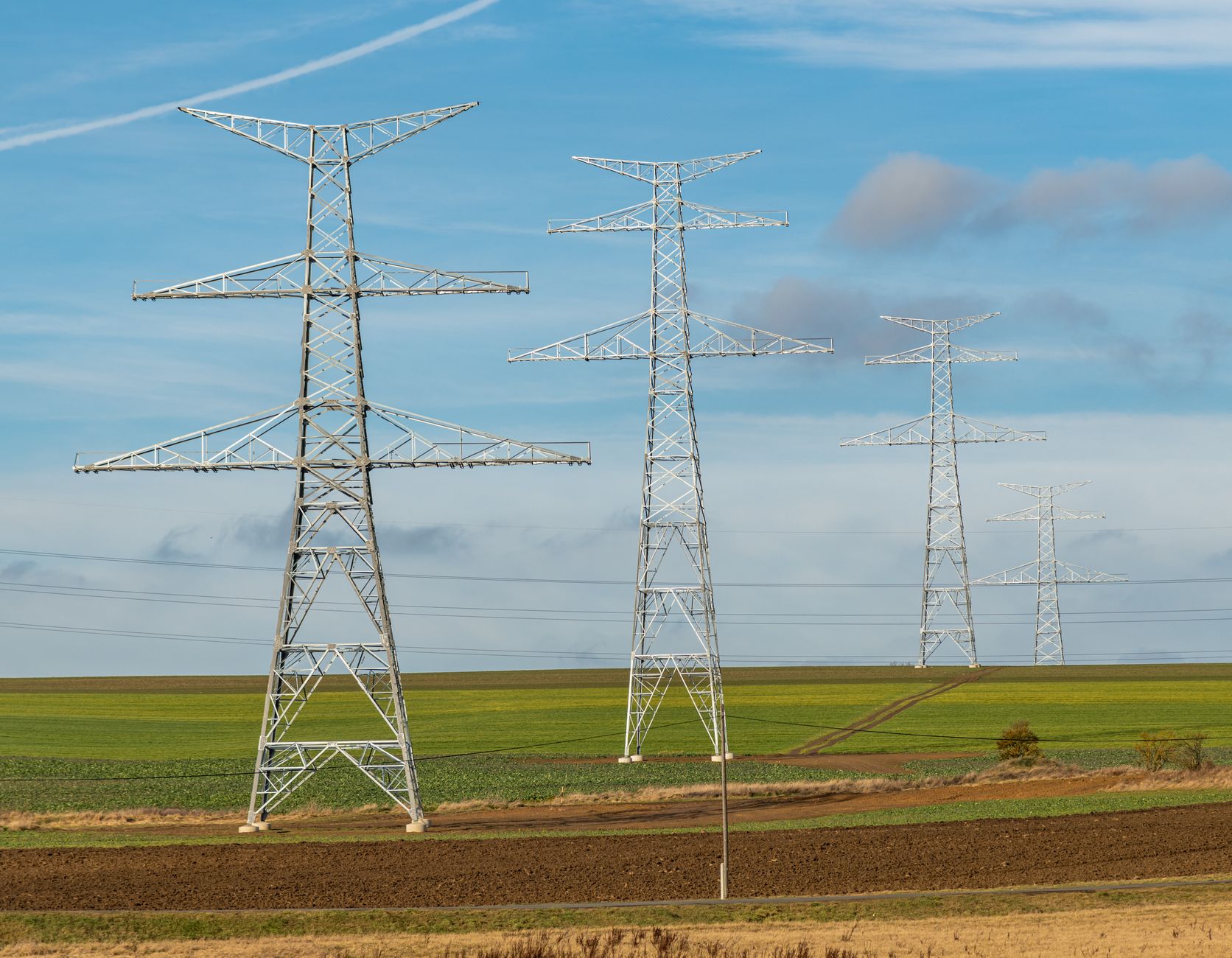
Renewable Energy Transmission is at the forefront of India’s energy revolution, with POWERGRID commissioning a significant 20 GW project in Rajasthan.
Overview of the 20 GW Project
The newly commissioned 20 GW Renewable Energy Transmission Project in Rajasthan marks a significant milestone in India’s quest for sustainable energy solutions. This ambitious initiative, spearheaded by POWERGRID, aims to facilitate the seamless transfer of renewable energy generated in the region to various parts of the country. With an increasing focus on reducing carbon emissions, this project plays a crucial role in harnessing the vast potential of solar and wind energy available in Rajasthan.
The project is designed to support the Indian government’s goal of achieving a 500 GW renewable energy capacity by 2030. It consists of several key components that enhance the overall efficiency and reliability of energy transmission. The infrastructure developed under this initiative includes:
- High-Voltage Direct Current (HVDC) systems: These systems are integral to transmitting large amounts of electricity over long distances with minimal losses.
- Expansion of substation facilities: Upgraded substations will ensure that power can be effectively managed and distributed.
- Enhanced grid connectivity: Improved connections between renewable energy zones and existing transmission networks will facilitate better energy flow.
As a result, the project not only boosts local economies by creating jobs and attracting investments but also sets a precedent for future renewable energy transmission initiatives across the nation.
Impact on Rajasthan’s Energy Needs
The recent commissioning of the 20 GW Renewable Energy Transmission project by POWERGRID marks a pivotal advancement for Rajasthan’s energy landscape. This initiative is set to significantly enhance the state’s ability to harness and distribute renewable energy, addressing both current and future energy demands.
Rajasthan, endowed with abundant solar and wind resources, stands to benefit immensely from this project. The transmission infrastructure will not only facilitate the efficient delivery of renewable energy to urban centers but also reduce reliance on fossil fuels, thereby contributing to environmental sustainability.
Key impacts of the project include:
- Increased Capacity: The project is designed to accommodate a massive 20 GW of renewable energy, ensuring that Rajasthan can meet its growing energy needs as the population and economy expand.
- Job Creation: The development and maintenance of the transmission infrastructure are expected to create numerous job opportunities in the region, boosting local economies.
- Energy Security: By diversifying its energy sources, Rajasthan will enhance its energy security, making it less vulnerable to fluctuations in fossil fuel markets.
- Environmental Benefits: The shift towards renewable energy transmission will lead to a significant reduction in greenhouse gas emissions, aligning with global sustainability goals.
In summary, the implementation of this project represents a transformative step for Rajasthan, positioning it as a leader in renewable energy transmission and sustainability.
Technological Innovations in Transmission
The successful implementation of the 20 GW Renewable Energy Transmission Project in Rajasthan has been driven by several technological innovations that enhance efficiency and reliability. These advancements not only facilitate the smooth transfer of renewable energy but also set a benchmark for future projects across the country.
One of the key innovations is the deployment of high-voltage direct current (HVDC) technology. This method significantly reduces energy losses during transmission over long distances, making it a vital component of the renewable energy transmission infrastructure. By optimizing the flow of electricity, HVDC systems can effectively manage the intermittent nature of renewable sources such as solar and wind.
Another significant advancement is the integration of smart grid technology. This allows for real-time monitoring and control of energy flow, ensuring that supply meets demand efficiently. Smart grids facilitate better management of renewable energy resources, contributing to a more resilient and responsive energy system.
Additionally, advanced materials and design techniques have been utilized to construct more durable and efficient transmission lines. These innovations not only improve the lifespan of the infrastructure but also reduce maintenance costs over time.
Overall, the combination of these technological innovations positions Rajasthan as a leader in renewable energy transmission, showcasing how modern solutions can empower sustainable energy initiatives in the region.
Government Support for Renewable Energy
The success of the 20 GW Renewable Energy Transmission project in Rajasthan has been significantly bolstered by strong government support. Recognizing the importance of sustainable energy sources, the government has implemented various initiatives aimed at promoting renewable energy infrastructure across the country.
Key aspects of this support include:
- Policy Framework: The government has established a robust policy framework that encourages investments in renewable energy projects, ensuring a streamlined process for approvals and clear regulations.
- Financial Incentives: Substantial financial incentives, such as grants and tax benefits, have been provided to both private and public sectors to facilitate the development of renewable energy transmission networks.
- Research and Development: Increased funding for research and development has led to innovations in transmission technologies, making them more efficient and cost-effective.
- Public-Private Partnerships: Collaboration between government entities and private companies has been essential in the planning and execution of major projects, ensuring that resources are allocated effectively.
These supportive measures have not only attracted investment but also positioned Rajasthan as a leader in renewable energy transmission, paving the way for similar initiatives across India. As the country seeks to meet its energy demands sustainably, the continued focus on enhancing renewable energy transmission will be crucial for future growth.
Future Prospects for Renewable Projects
The successful commissioning of the 20 GW Renewable Energy Transmission Project in Rajasthan marks a significant milestone in the country’s shift towards sustainable energy. As the demand for clean energy continues to rise, the future prospects for renewable projects in the region appear promising.
With the increasing investment in renewable energy sources, Rajasthan is poised to become a hub for solar and wind energy generation. This transition is not only vital for meeting local energy needs but also for contributing to national energy goals. The integration of renewable energy transmission systems will facilitate the distribution of clean energy beyond state boundaries, providing a robust framework for energy sharing across regions.
Key factors influencing the future of renewable projects in Rajasthan include:
- Infrastructure Development: Enhanced transmission networks will support further investments in renewable sources, ensuring that energy generated in remote areas can reach urban centers efficiently.
- Technological Advancements: Ongoing innovations in energy storage and grid management will optimize the performance of renewable energy transmission systems.
- Policy Support: Continued government initiatives aimed at promoting renewable energy will bolster investor confidence and attract new projects.
As renewable energy transmission expands, Rajasthan stands to benefit greatly, not only in energy security but also in economic development, paving the way for a greener future.
Challenges in Implementation
Despite the promising advancements in renewable energy transmission, the implementation of the 20 GW project in Rajasthan has faced several challenges. These obstacles have the potential to hinder the overall efficiency and effectiveness of the project.
- Infrastructure Limitations: One of the primary challenges is the existing infrastructure, which may not adequately support the large-scale transmission of renewable energy. Upgrading the transmission lines and integrating new technologies is essential to ensure a seamless flow of power.
- Land Acquisition Issues: Securing land for the installation of transmission lines poses a significant hurdle. Delays in land acquisition can stall project timelines and increase costs, affecting the overall feasibility of the renewable energy transmission initiative.
- Regulatory Hurdles: The regulatory framework surrounding renewable energy projects can be complex and inconsistent. Navigating the myriad of regulations and obtaining necessary approvals can lead to prolonged project timelines.
- Community Engagement: Engaging local communities is crucial for the acceptance and success of renewable energy projects. Resistance from communities can arise due to concerns about environmental impacts and land use.
Addressing these challenges is critical for the successful realization of the renewable energy transmission project, as it aims to not only meet Rajasthan’s energy needs but also set a precedent for future renewable initiatives across the country.
Community Benefits of the Project
The recent commissioning of the 20 GW Renewable Energy Transmission project in Rajasthan has brought significant benefits to local communities. This ambitious initiative not only aims to enhance the state’s energy infrastructure but also to foster economic growth and social development.
One of the primary advantages of the project is its potential to create numerous job opportunities. The construction and maintenance of transmission lines require a skilled workforce, which has led to the hiring of local residents. This influx of jobs is expected to decrease unemployment rates and improve the overall standard of living in the region.
Moreover, the project emphasizes community engagement and support. Local stakeholders have been involved in decision-making processes, ensuring that their needs and concerns are addressed. This collaborative approach has fostered a sense of ownership among community members, enhancing the overall acceptance of renewable energy initiatives.
Additionally, the renewable energy transmission project is anticipated to improve access to clean energy. By providing reliable electricity, it will empower local businesses and enhance education by enabling schools to operate more effectively. Furthermore, the project aims to promote sustainable practices, ensuring that communities can benefit from clean energy sources for years to come.
In summary, the Renewable Energy Transmission project is not just about energy; it is a catalyst for community development, economic stability, and environmental sustainability in Rajasthan.
Conclusion and Next Steps
In conclusion, the successful commissioning of the 20 GW Renewable Energy Transmission Project in Rajasthan marks a significant milestone in the advancement of renewable energy infrastructure in India. This project not only addresses the immediate energy needs of the region but also sets a precedent for future initiatives aimed at enhancing the country’s renewable energy capabilities.
As we look ahead, several key steps must be taken to ensure the continued success and expansion of renewable energy transmission systems. Firstly, ongoing collaboration between government agencies, private sectors, and local communities will be essential. This cooperation will help to streamline the implementation of future projects and address challenges that may arise.
Secondly, investment in research and development is crucial to tackling the technological hurdles associated with larger-scale renewable energy transmission. Emerging technologies can optimize efficiency and reliability, ensuring that the transmission grid can handle increased loads from renewable sources.
Furthermore, public awareness and community engagement are vital in fostering support for renewable energy initiatives. Educating the public about the benefits and impacts of renewable energy transmission can lead to increased acceptance and participation in future projects.
Ultimately, the journey towards a sustainable energy future relies on the successful integration of renewable energy transmission systems. With continued commitment and innovation, Rajasthan can serve as a model for other regions, paving the way for a greener and more sustainable energy landscape across India.
Photo by Petr Ganaj on Pexels