
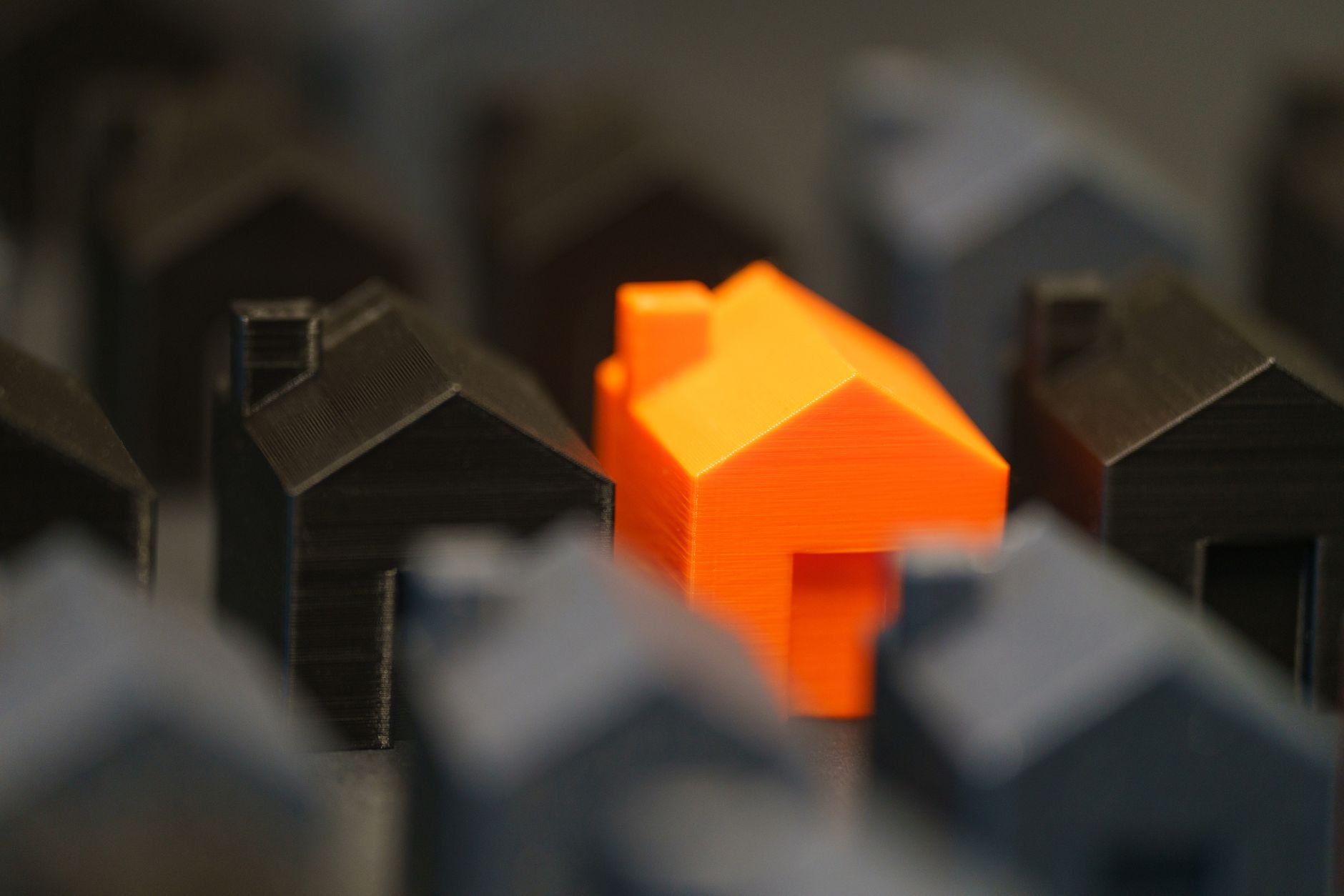
house prices drop, suffering the biggest decline in three years. This unexpected downturn raises concerns among homeowners and investors alike.
Understanding the Recent House Price Drop
Recent data reveals a significant shift in the housing market, as house prices drop at an alarming rate. Analysts report that this decline marks the worst performance in three years, raising concerns among potential buyers and investors alike.
Several factors contribute to this downturn:
- Increased interest rates: Higher borrowing costs have deterred many prospective homeowners.
- Inflation trends: Rising living expenses have tightened household budgets, reducing purchasing power.
- Market saturation: An influx of new homes has led to a surplus, driving prices down.
The combination of these elements has created a challenging environment for sellers, who may need to adjust their expectations to attract buyers. As the market continues to evolve, many are left wondering how long this trend will last and what it means for the future of real estate.
Factors Contributing to the Decline
The recent decline in house prices can be attributed to several key factors that have been impacting the real estate market.
- Rising Interest Rates: The increase in mortgage rates has made borrowing more expensive, leading to reduced buyer demand.
- Inflation Concerns: Ongoing inflation has eroded consumer purchasing power, causing potential buyers to hesitate.
- Overvaluation of Properties: Many homes were priced excessively high during the previous market surge, resulting in corrections as buyers reassess their budgets.
- Economic Uncertainty: Worries about potential recession and job stability have made buyers more cautious in their home purchase decisions.
- Increased Inventory: A surge in housing supply has outpaced demand, further contributing to the downward pressure on prices.
These factors combined have led to a significant drop in house prices, marking the worst decline in three years.
Impact on Homeowners and Investors
The recent decline in house prices has left many homeowners and investors feeling anxious about their financial futures. As the market experiences its worst decline in three years, the impact is being felt across various segments.
For homeowners, many are facing decreased equity in their properties, making it challenging to refinance or sell without incurring losses. The sense of insecurity is compounded by rising interest rates, which further complicate the housing market.
Investors, on the other hand, may see opportunities in the downturn. While some may be concerned about falling house prices, others are viewing the situation as a chance to acquire properties at lower costs. The potential for long-term gains remains a draw for savvy investors.
Overall, the drop in house prices is reshaping the landscape for both homeowners and investors, prompting careful consideration of their next steps.
Historical Context of House Prices
Historically, house prices have experienced significant fluctuations due to various economic factors. Over the past two decades, the market has seen both dramatic increases and steep declines.
In the aftermath of the 2008 financial crisis, house prices plummeted as a result of high foreclosure rates and tightened lending standards. Recovery took years, with prices steadily climbing until recent trends began to emerge.
In the years leading up to 2023, many regions witnessed a housing boom, fueled by low interest rates and high demand. However, the current data reveals that house prices are now facing the worst decline in three years, raising concerns among analysts and potential buyers alike.
Understanding this historical context is crucial, as it helps to frame the current situation and allows stakeholders to navigate the implications of the latest downturn in the housing market.
Future Predictions for Real Estate
As analysts look ahead, the outlook for the real estate market remains cautious. The recent trend of house prices dropping is expected to continue in the near term, with several factors influencing this trajectory.
Experts predict that:
- Interest Rates: Continued rises in interest rates could further suppress buyer demand, leading to an extended period of reduced prices.
- Economic Conditions: Economic uncertainty and a potential recession may cause consumers to hesitate in making significant financial commitments.
- Supply Chain Issues: Ongoing supply chain disruptions may slow new housing projects, potentially limiting inventory and stabilizing prices over time.
However, some analysts remain optimistic, suggesting that a correction might present opportunities for first-time homebuyers. As the market adjusts, it will be crucial for stakeholders to stay informed about evolving trends and adapt strategies accordingly.
Expert Opinions on the Current Market
Market analysts are expressing concern over the latest report indicating that house prices drop has reached levels not seen in three years. According to Dr. Emily Carter, a leading real estate economist, “The decline is indicative of a broader economic slowdown, and it is vital for buyers to approach the market with caution.”
Many experts believe that rising interest rates are a primary factor influencing this downward trend. James Lee, a housing market analyst, states, “Homebuyers are feeling the pinch as affordability decreases, prompting many to postpone their purchases.”
Additionally, Lisa Tran, a real estate agent with over a decade of experience, notes that “this situation could lead to a buyer’s market, but it may take time for sellers to adjust their expectations.”
As the landscape evolves, stakeholders are urged to remain vigilant and informed about the shifting dynamics in the housing market.
As the housing market adjusts to rising interest rates, many experts predict that house prices drop will continue in the coming months. This trend marks the worst decline in three years and has left potential buyers uncertain about their investment decisions.
Photo by Jakub Zerdzicki on Pexels