
Introduction
Complete pool removal may seem like the ideal solution. But can each swimming pool be entirely removed? In many cases, yes, but the chance and process depend on various determinants, containing the pool’s type, location, encircling buildings, and local requirements. Read the article below for more details.
What Does Complete Pool Removal Mean?
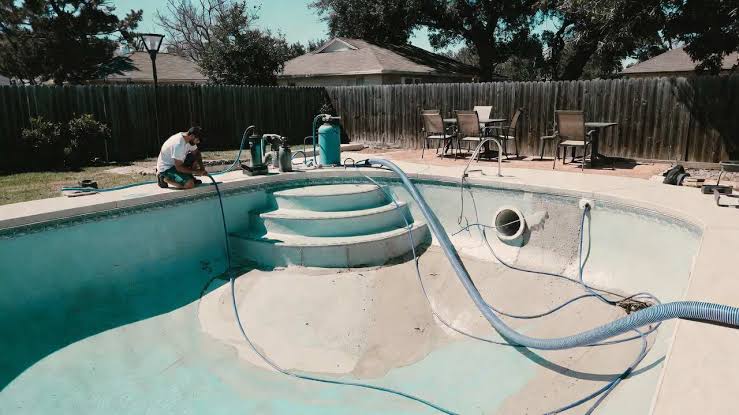
Complete Bay Area pool removal mainly means destroying and removing the pool structure, or leaving solid portions of it subsurface. The process can include breaking up and removing concrete, fibreglass, or other pool materials, as well as focusing on plumbing, seepage, and connected equipment.
The resulting digging is therefore suffused, and the area is graded for future use. This is different from partial or full removal, where portions of the existing pool may be removed, and the space is filled.
1. Concrete Pools Can Often Be Completely Removed
Concrete and granite pools are mainly solid forms, but they can often be destroyed and removed accompanying acceptable heavy equipment. The contractor can break the structure into manageable disconnections and remove the waste from the property. Depending on the station and approach available, this can demand excavation machinery, hardened-breaking equipment and appropriate conveyance.
Complete pool removal in Campbell can be more labour-intensive than other options because a significant amount of material needs to be demolished, detached and transported continuously.
2. Fibreglass Pools Can Also Be Removed
Fibreglass pools are made as large makeups that are installed in excavated areas. When entirely removing one, contractors consistently expose the construction, disconnect mixed parts, and remove it from the excavation.
The biggest practical concern maybe approach. Large equipment may be needed to lift the pool structure, and narrow driveways, obstructions, landscaping, or nearby houses can affect removal. An experienced builder can assess the property and agree on what equipment and approach plans are required.
3. Vinyl-Lined Pools Require a Different Approach
Vinyl-lined pools have a different construction from unlined and fibreglass pools. They may have non-organic, polymer, or other fundamental elements beneath the contents. Complete discharge can involve dismantling the pool structure and removing the divisions and associated items. The exact process depends on how the pool was assembled.
Because pool designs change, a professional’s site judgment before Bay Area Pool Demolition is important before deciding how removal should be carried out.
4. Access Can Affect Complete Removal
One of the greatest practical challenges is access to the pool area. Heavy machinery needs enough space to reach the location safely. A pool situated near a family, workplace, holding wall or neighbouring property may be more troublesome to remove.
Narrow approach routes can further limit the height of supplies that can be used. In a few cases, builders may need to use smaller machinery or develop a specialized relocation plan.
5. Underground Features Need Attention
A pool is more than the visible basin. Underground pipes, drainage lines, electrical connections, and other parts can also need to be addressed. Before demolition begins, these systems should be identified and reserved appropriately.
Conclusion
So, can a swimming pool be entirely detached? Many can, but the practicality, cost, and process depend on the individual pool and property. Campbell pool demolition services can help determine whether complete removal is appropriate and illustrate the opportunities if it is not. With decent planning, an unacceptable pool can potentially be replaced with a safer, more active outdoor room that better matches your current needs.