
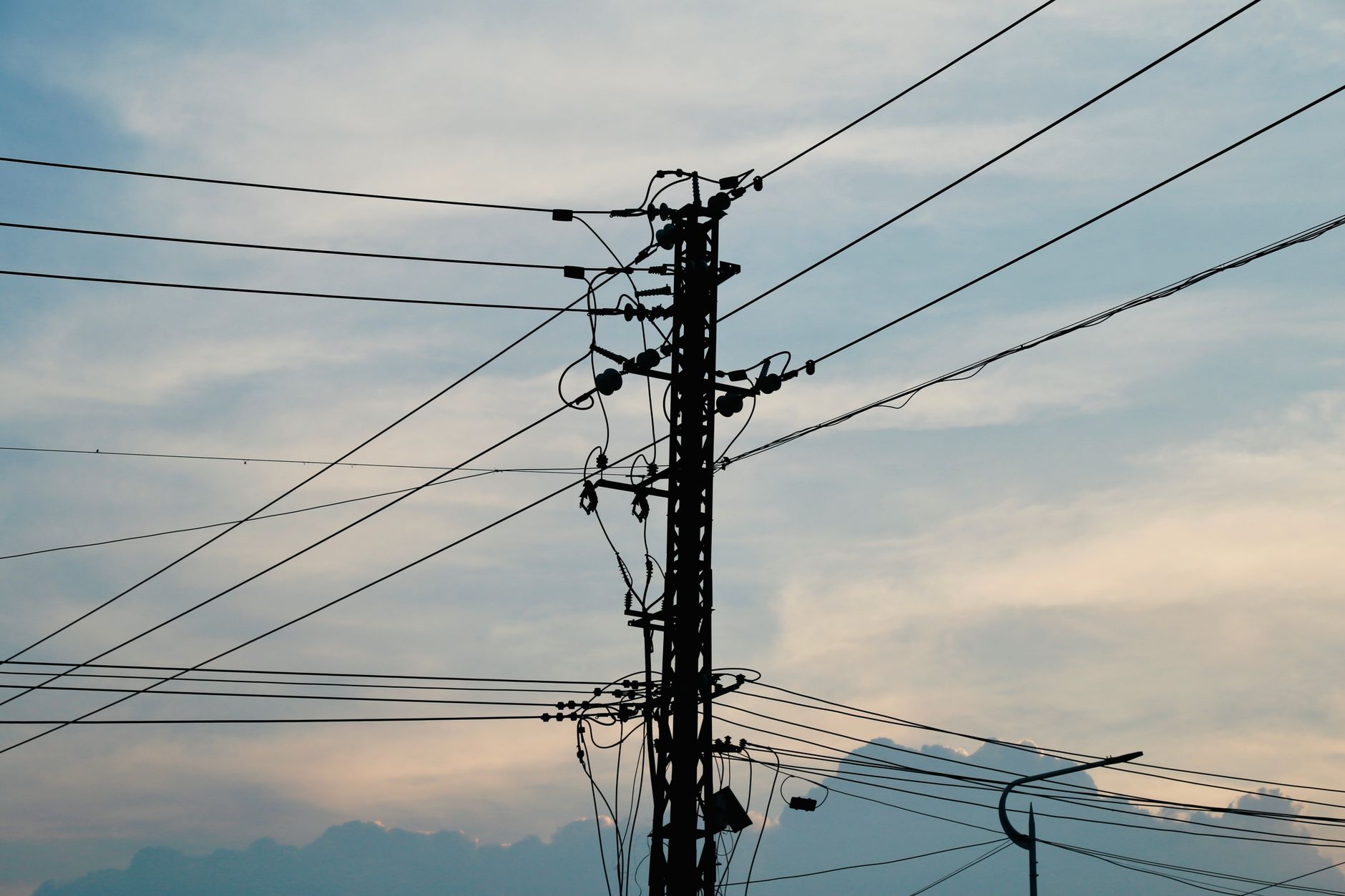
The Mo Cay–My Tho transmission line has received approval for development, marking a significant step in Vietnam’s energy infrastructure expansion.
Overview of the Mo Cay–My Tho transmission line
The recent approval for the development of the Mo Cay–My Tho transmission line marks a significant step in enhancing the electricity infrastructure in Vietnam. This 220 kV line is expected to improve the reliability and efficiency of power distribution in the Mekong Delta region.
The project, initiated by Vietnam’s Electricity Transmission Project Management Board (EVNNPT), aims to address the growing demand for electricity in the area, which has seen rapid industrial and economic growth. Key objectives of the transmission line include:
- Boosting Energy Supply: The new line will provide a stable power supply to local industries and residents, reducing outages.
- Enhancing Grid Connectivity: It will improve connectivity between various power generation sources and consumption centers.
- Supporting Renewable Energy: The infrastructure is expected to facilitate the integration of renewable energy sources into the grid.
With the approval now in place, the EVNNPT is set to begin the construction phase, which is anticipated to significantly benefit the local economy and contribute to sustainable development in the region.
Importance of energy infrastructure in Vietnam
The development of energy infrastructure in Vietnam is crucial for supporting the country’s rapid economic growth and meeting the increasing demand for electricity. The Mo Cay–My Tho transmission line represents a significant advancement in this field, enabling the efficient transmission of power across regions. Reliable energy infrastructure not only ensures a stable supply of electricity but also promotes investments in various sectors, further driving Vietnam’s development.
Moreover, as Vietnam continues to urbanize and industrialize, the need for robust energy systems becomes even more pressing. Improved transmission lines like the Mo Cay–My Tho line can facilitate the integration of renewable energy sources, such as solar and wind, into the national grid. This transition is essential for achieving energy security and sustainability.
In addition, enhanced energy infrastructure contributes to reducing transmission losses, which are a significant challenge in the current system. By investing in projects like the Mo Cay–My Tho transmission line, Vietnam can not only improve efficiency but also lower electricity costs for consumers and businesses alike.
Ultimately, the development of the Mo Cay–My Tho transmission line is a step forward in building a modern energy landscape that will support Vietnam’s future growth and stability.
Details on EVNNPT’s approval process
The approval process for the Mo Cay–My Tho transmission line by the Electricity of Vietnam National Power Transmission Corporation (EVNNPT) has been a significant milestone in the development of energy infrastructure in the region. This decision comes after extensive assessments and planning phases that began several months ago.
According to sources, the approval was granted following a thorough review of the technical and financial feasibility studies. EVNNPT aimed to ensure that the project aligns with Vietnam’s long-term energy strategy and supports the growing demand for electricity. The Mo Cay–My Tho transmission line is expected to enhance the reliability of power supply while promoting sustainable energy usage.
Key points in the approval process included:
- Stakeholder Engagement: EVNNPT engaged with local authorities and communities to address concerns and gather input.
- Environmental Impact Assessments: Comprehensive evaluations were conducted to assess the potential environmental effects of the project.
- Budget Allocations: Financial planning was crucial, ensuring the project adheres to budgetary constraints while maximizing efficiency.
This careful and inclusive approach reflects EVNNPT’s commitment to transparency and responsible development in Vietnam’s energy sector.
Impact on local communities
The approval of the Mo Cay–My Tho transmission line is anticipated to have significant impacts on local communities in the region. This project is expected to enhance the reliability of power supply, which is crucial for both residential and industrial consumers.
Local businesses are likely to experience growth due to improved energy access. As electricity becomes more stable, small and medium enterprises can expand operations, leading to job creation and economic development. Additionally, farmers will benefit from better irrigation systems powered by consistent electricity, increasing agricultural productivity.
Furthermore, the Mo Cay–My Tho transmission line is expected to reduce energy costs in the long run. With enhanced infrastructure, the efficiency of power distribution will lead to lower transmission losses, ultimately benefiting consumers.
However, it is essential to address potential concerns from communities regarding land acquisition and environmental impact. Engaging with local residents throughout the development process will be key to ensuring that their voices are heard and that any adverse effects are minimized.
As the project progresses, stakeholders must remain vigilant in balancing development with the well-being of the communities affected by the Mo Cay–My Tho transmission line.
Future of energy projects in Vietnam
The future of energy projects in Vietnam looks promising, especially with the recent development of the Mo Cay–My Tho transmission line. As the country strives to meet its growing energy demands, several initiatives are being proposed and implemented to enhance energy infrastructure. The government’s commitment to expanding the electricity grid is evident in the push for modern transmission lines and renewable energy sources.
Key projects in the pipeline include:
- Expansion of renewable energy sources: Vietnam aims to increase its investment in solar and wind energy, which are vital for sustainable development.
- Upgrading existing infrastructure: The focus will be on modernizing outdated systems to ensure reliability and efficiency.
- Regional connectivity: Enhancing connections between provinces will facilitate energy distribution and improve access to electricity.
These projects are expected to create job opportunities, stimulate local economies, and ensure a stable energy supply. As the Mo Cay–My Tho transmission line progresses, it may serve as a model for future developments, demonstrating the importance of strategic planning and investment in Vietnam’s energy landscape.
Photo by Andy Lee on Pexels
Read the original
Harlin House Fellowship: A Smart Opportunity for Filmmakers · Humnabad InSTS project: Is it the Best Investment for Karnataka? · Vivo V80 vs Oppo Reno 16: The Best Comparison You Need