
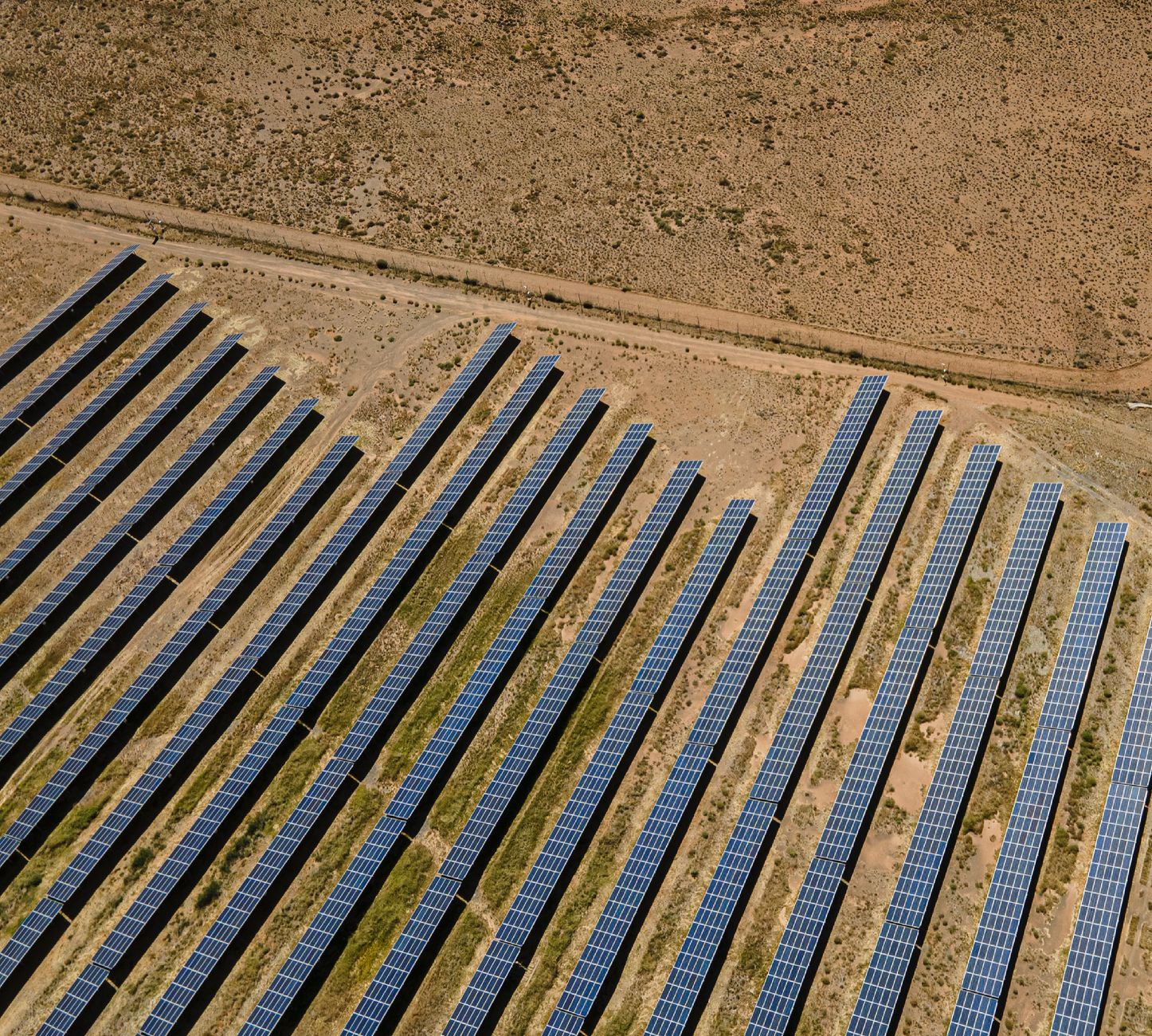
Power projects in Africa are set to advance significantly with the partnership between NTPC and Africa50. This collaboration aims to develop essential energy infrastructure across the continent.
Overview of NTPC and Africa50 Partnership
The partnership between NTPC and Africa50 marks a significant step towards enhancing power projects in Africa. NTPC, India’s largest energy conglomerate, has joined forces with Africa50, an investment platform dedicated to accelerating infrastructure development in Africa. This collaboration aims to leverage NTPC’s expertise in power generation and Africa50’s financial resources to address the continent’s energy challenges.
Key objectives of the partnership include:
- Investment in Renewable Energy: Focusing on solar, wind, and hydroelectric projects to promote sustainable development.
- Capacity Building: Providing training and knowledge transfer to local stakeholders to enhance operational efficiency.
- Infrastructure Development: Improving grid connectivity and access to reliable electricity for underserved communities.
This strategic alliance aims to foster economic growth and improve living standards across Africa through innovative power projects.
Key Benefits of Power Projects in Africa
Power projects in Africa offer numerous benefits that can significantly enhance the continent’s development. These initiatives not only provide essential electricity to underserved regions but also stimulate local economies by creating jobs and fostering entrepreneurship.
Key advantages include:
- Energy Security: Increasing power generation capacity reduces dependence on fossil fuel imports and stabilizes energy prices.
- Sustainable Development: Many projects focus on renewable energy sources, promoting environmental sustainability and reducing carbon footprints.
- Social Impact: Improved access to electricity enhances education, healthcare, and overall quality of life for communities.
- Investment Opportunities: Power projects attract foreign investments, driving technological advancements and infrastructure development.
Overall, the successful implementation of power projects in Africa can lead to long-term economic growth and improved living conditions for millions.
Challenges Facing Energy Development
The development of power projects in Africa faces several significant challenges that must be addressed to ensure success. These challenges include:
- Infrastructure deficits: Many regions lack the necessary infrastructure to support large-scale energy projects, limiting access to electricity.
- Funding limitations: Securing financing for power projects in Africa can be difficult, as investors often perceive high risks associated with political instability and economic fluctuations.
- Regulatory hurdles: Complex regulatory environments can delay project approvals and increase operational costs.
- Skill shortages: A lack of local expertise in energy development can hinder the implementation and maintenance of new technologies.
Addressing these challenges is crucial for unlocking the potential of power projects in Africa and achieving sustainable energy development across the continent.
Future Outlook for African Energy Infrastructure
The future outlook for energy infrastructure in Africa is promising, particularly with the ongoing collaboration between NTPC and Africa50 to develop power projects in Africa. As countries increasingly recognize the importance of reliable energy sources, strategic investments are crucial. Renewable energy initiatives, such as solar and wind farms, are gaining traction, providing both sustainable energy and economic opportunities.
Furthermore, public-private partnerships are essential for overcoming financial and logistical challenges in the sector. Governments are encouraged to create favorable regulatory environments that attract investment. The integration of technology, such as smart grids, will also enhance energy distribution and efficiency.
In conclusion, with the right development strategies, power projects in Africa can significantly contribute to economic growth and improved living standards across the continent.
Photo by Charl Durand on Pexels