
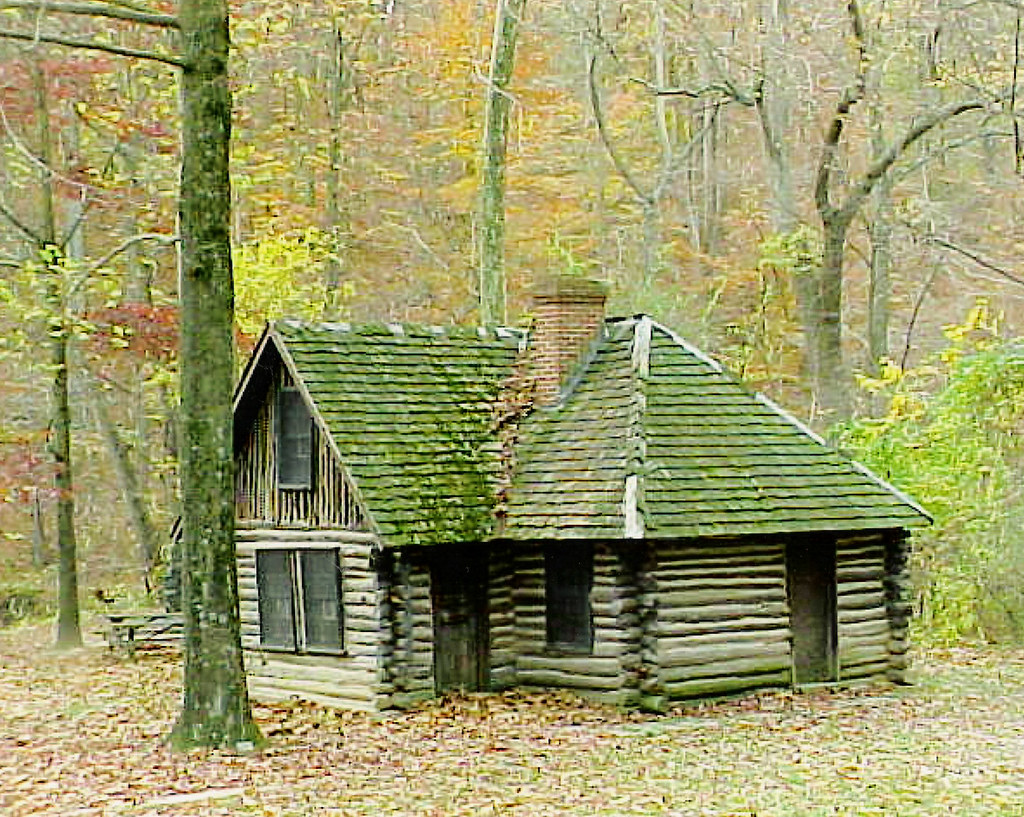
The rural housing drive is a significant initiative launched by CM Chandrababu and Union Minister Vraj Singh Chouhan, focusing on improving housing conditions.
Overview of the Rural Housing Drive
The recent launch of the rural housing drive by CM Chandrababu and Union Minister Vraj Singh Chouhan marks a significant step towards improving living conditions in rural areas. This initiative is designed to provide affordable housing solutions for families in need, ensuring that every citizen has access to a safe and secure home.
Under this program, several key objectives have been set to enhance the quality of life in rural communities:
- Affordable Housing: The drive aims to construct low-cost housing units that cater to the financial capabilities of rural families.
- Infrastructure Development: Along with housing, there will be investments in essential infrastructure such as roads, sanitation, and water supply.
- Job Creation: The construction phase of the rural housing drive is expected to generate employment opportunities for local workers, bolstering the economy.
- Community Engagement: Local communities will be involved in the planning and execution of housing projects, fostering a sense of ownership and pride.
By addressing the critical issue of housing shortages in rural areas, the rural housing drive seeks not only to provide shelter but also to uplift entire communities, paving the way for sustainable development and improved living standards.
Key Objectives of the Initiative
The Rural Housing Drive aims to address critical housing shortages in rural areas while promoting sustainable community development. The initiative has several key objectives that seek to enhance the living conditions of rural populations.
- Increase Home Ownership: One of the primary goals is to provide affordable housing options, allowing families to own their homes and secure their future.
- Improve Infrastructure: The initiative emphasizes the development of essential infrastructure, including roads, sanitation, and utilities, to create a conducive living environment.
- Promote Sustainable Practices: The drive encourages the use of eco-friendly building materials and techniques, aiming to reduce the environmental impact of new housing developments.
- Boost Local Economies: By stimulating the housing market, the initiative is expected to create jobs in construction and related sectors, contributing to local economic growth.
- Enhance Community Cohesion: The Rural Housing Drive seeks to foster a sense of community among residents, encouraging social interactions and support networks.
- Facilitate Access to Services: Improved housing will enable better access to educational and healthcare services, thus enhancing the overall quality of life for rural residents.
Through these objectives, the Rural Housing Drive is poised to create lasting positive impacts on rural communities, ensuring that families have safe and secure homes.
Impact on Local Communities
The Rural Housing Drive has far-reaching implications for local communities, fostering not only infrastructure development but also social cohesion among residents. By addressing the critical need for affordable housing, the initiative aims to uplift the living standards of families in rural areas.
One of the most significant impacts of the drive is the enhancement of community health. Improved housing conditions contribute to better sanitation and hygiene, reducing the prevalence of diseases. When families have access to safe and secure homes, children can focus on their education rather than worrying about their living situation.
Additionally, the Rural Housing Drive strengthens the local economy. As homes are constructed, local labor is employed, leading to job creation and increased income for workers. This economic boost can enable families to invest in their businesses, further stimulating community growth.
Moreover, the initiative fosters a sense of belonging. With the construction of new homes, residents often engage in community-building activities, which enhance social ties. Such interactions can lead to the establishment of local support networks that are vital in times of need.
In summary, the Rural Housing Drive not only provides essential housing but also brings about transformative changes in health, economy, and social dynamics within local communities, making it a pivotal step toward sustainable rural development.
Government Support and Funding
The Rural Housing Drive has garnered significant attention from government officials, highlighting its importance in fostering community development. As part of this initiative, several programs have been launched to provide necessary support and funding to ensure its success.
Government backing plays a crucial role in the implementation and sustainability of the Rural Housing Drive. Key features of this support include:
- Financial Assistance: The government has allocated substantial funds to help low-income families access affordable housing options.
- Subsidies and Grants: Various subsidies and grants are available for construction, making it easier for families to build or renovate homes.
- Partnerships with NGOs: Collaborations with non-governmental organizations enhance resource distribution and ensure that the needs of rural communities are met effectively.
- Training Programs: Initiatives aimed at educating local workers in construction skills promote employment opportunities and quality housing development.
Moreover, the involvement of local governments is crucial in tailoring the Rural Housing Drive to meet specific community needs. This localized approach ensures that the projects align with the unique challenges faced by rural areas, ultimately fostering a sense of ownership and empowerment among residents.
With continuous government support, the Rural Housing Drive aims to create lasting change, improving the living conditions of countless families and strengthening rural communities.
Challenges in Implementation
Despite the significant benefits associated with the rural housing drive, there are several challenges that hinder its successful implementation. One of the primary obstacles is the lack of adequate infrastructure in many rural areas. Without proper roads, electricity, and water supply, constructing new homes becomes a daunting task.
Another challenge is the limited access to financial resources. Many families in rural communities struggle to secure loans or funding necessary for housing projects. This financial barrier often results in delayed construction or incomplete projects, leaving families without adequate shelter.
Additionally, there is often a lack of awareness about the initiatives available under the rural housing drive. Many eligible families remain uninformed about the benefits and assistance programs, leading to lower participation rates. Educational campaigns and outreach efforts are essential to bridge this knowledge gap.
Furthermore, the quality of construction materials can vary significantly, impacting the durability and safety of homes. Ensuring that builders adhere to quality standards is crucial for the long-term success of the initiative.
Lastly, local governance issues can complicate the execution of housing projects. Bureaucratic red tape and inefficiency can slow down progress, making it vital for authorities to streamline processes to enhance the impact of the rural housing drive.
Success Stories from the Field
The Rural Housing Drive has seen numerous success stories emerging from various regions, showcasing the positive impact it has on communities. These stories highlight how the initiative has transformed lives and contributed to sustainable development.
- Village of Nandapur: In Nandapur, families have witnessed a significant improvement in their living conditions. The construction of durable homes has not only provided shelter but has also fostered a sense of security among residents. One local, Sita Devi, shared, “Having a proper home has changed our lives. We no longer worry about the monsoon damaging our house.”
- District of Kalyan: The Kalyan district reported a notable increase in local employment opportunities due to the Rural Housing Drive. As homes were built, local artisans found work, leading to economic growth. Ramesh Kumar, a carpenter, noted, “This initiative has not only given us homes but also jobs. We are grateful for the support.”
- Community of Banswara: In Banswara, the Rural Housing Drive has fostered community spirit. Neighbors collaborated on construction projects, strengthening their bonds. Local leader Priya Singh remarked, “We are building more than just houses; we are building a community.”
These success stories underscore the transformative power of the Rural Housing Drive, demonstrating its role in enhancing the quality of life and fostering resilience within rural communities.
Future Prospects for Rural Housing
The future prospects for the rural housing drive appear promising, with various initiatives poised to enhance living conditions in rural areas. As more stakeholders recognize the importance of adequate housing, plans are being developed to ensure sustainable growth and development.
One of the pivotal aspects of the rural housing drive is its potential to innovate building technologies. With advances in eco-friendly materials and construction methods, homes can be built more efficiently and sustainably. This shift not only addresses housing shortages but also promotes environmental stewardship.
Moreover, community involvement is expected to play a crucial role in the ongoing success of the rural housing drive. By engaging local residents in the planning and implementation phases, projects can be tailored to meet specific needs, ensuring greater acceptance and resilience. Key benefits include:
- Job creation: Local employment opportunities can arise from new housing projects, stimulating the economy.
- Enhanced infrastructure: Improved housing often leads to better roads, schools, and healthcare facilities.
- Social cohesion: Housing initiatives can strengthen community bonds as residents collaborate on projects.
As the rural housing drive continues to evolve, its alignment with broader economic and social policies will be essential. By focusing on sustainable practices and community engagement, the initiative holds the potential to transform rural landscapes for generations to come.
How to Get Involved
Getting involved in the rural housing drive is an excellent way to contribute to the development of communities in need. Individuals, organizations, and businesses can play a vital role in supporting this initiative. Here are some ways to participate:
- Volunteer Your Time: Engage with local organizations that are part of the rural housing drive. Offering your skills and time can make a significant difference in the lives of families seeking homes.
- Donate Resources: Consider donating materials, tools, or funds to help build affordable housing. Every contribution counts and helps in achieving the goals of the initiative.
- Spread Awareness: Share information about the rural housing drive within your community. Use social media platforms or community events to raise awareness and encourage others to get involved.
- Advocate for Policy Support: Connect with local representatives to advocate for policies that support rural housing initiatives. Your voice can help influence decisions that impact community development.
- Partner with Local Businesses: Encourage businesses in your area to participate in the rural housing drive. Collaborative efforts can lead to innovative solutions and greater impact.
By actively participating in these efforts, individuals can help ensure that the rural housing drive achieves its objectives, transforming lives and strengthening communities.
By dbking via Openverse